
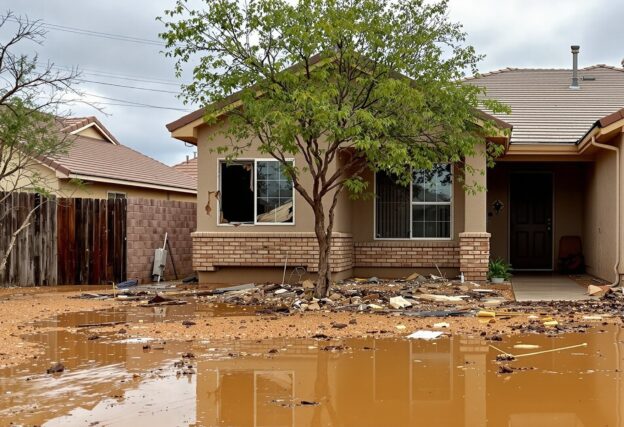
Discovering that your home has suffered flood damage can be overwhelming and financially devastating. Whether you experienced flooding from heavy rains, burst pipes, or natural disasters, the aftermath leaves homeowners facing difficult decisions about repairs, insurance claims, and the future of their property. For many El Paso homeowners, the question becomes: how to sell a flood damaged house without investing tens of thousands of dollars in repairs and remediation.
The good news is that you have options. Companies that buy flood damaged property specialize in purchasing homes in any condition, allowing you to sell quickly without the burden of costly repairs, mold remediation, or lengthy insurance battles. This comprehensive guide will walk you through everything you need to know about selling your flood damaged house in El Paso, from understanding your legal obligations to maximizing your sale price and closing the deal efficiently.
Understanding Flood Damage and Its Impact on Property Value
Flood damage is one of the most destructive forces that can affect a residential property. Unlike other types of damage that might be cosmetic or easily repairable, water intrusion creates cascading problems that affect multiple systems throughout your home. Understanding the full scope of flood damage is essential when considering whether to repair or sell your flood damaged house.
Types of Flood Damage
Flood damage falls into several categories, each with different implications for your property’s value and saleability:
- Structural damage: Water weakens foundations, compromises load-bearing walls, and can cause settling or shifting that affects the entire structure. In El Paso’s clay-rich soil, water saturation can lead to significant foundation movement.
- Mold and mildew growth: Within twenty-four to forty-eight hours of water exposure, mold begins growing in walls, floors, and HVAC systems. Mold remediation can cost between five thousand and twenty-five thousand dollars depending on the extent of contamination.
- Electrical system damage: Water and electricity create dangerous situations. Flooded electrical panels, wiring, and outlets require complete replacement to meet safety codes.
- HVAC system failure: Heating and cooling systems exposed to floodwater typically need full replacement, costing eight thousand to fifteen thousand dollars.
- Plumbing contamination: Floodwater often contains sewage and contaminants that compromise plumbing systems and create health hazards.
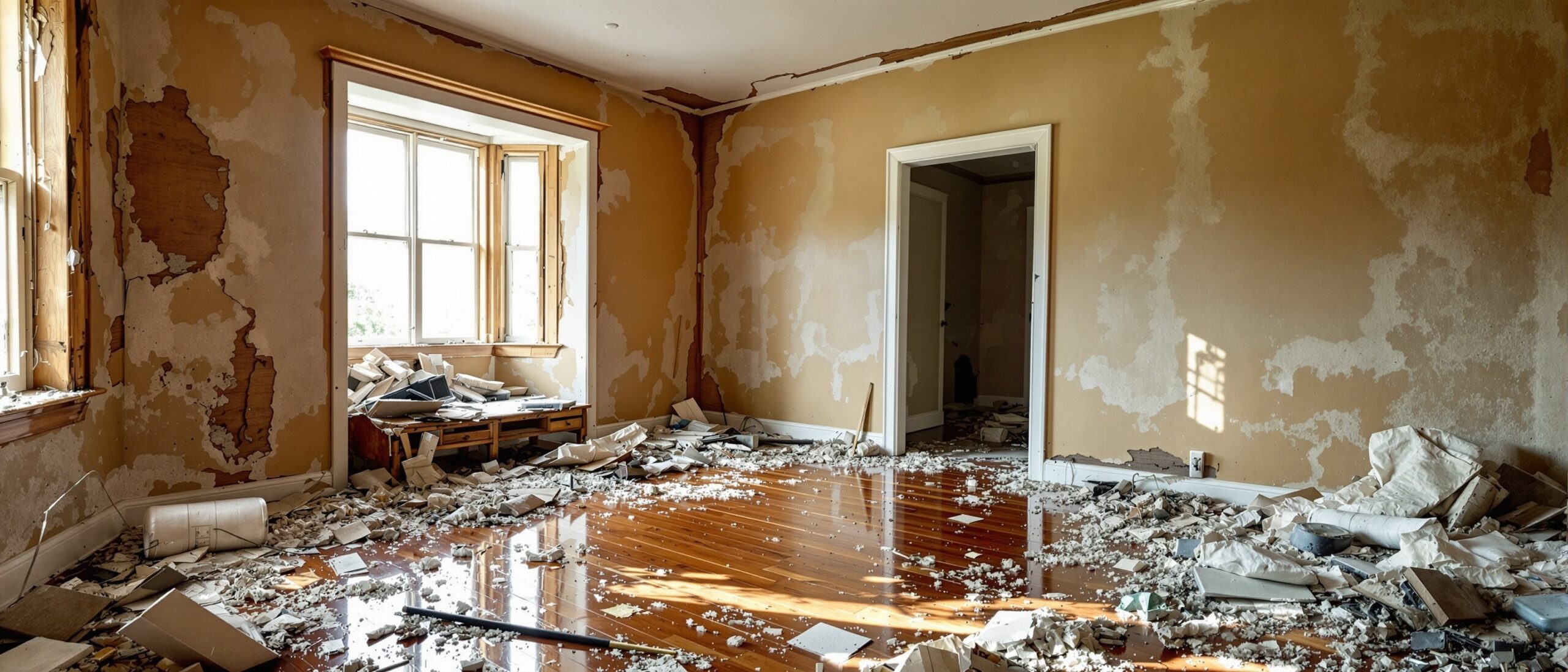
- Flooring and drywall destruction: Carpets, hardwood, tile, drywall, and insulation all absorb water and must be removed and replaced.
How Flood Damage Affects Property Value
The financial impact of flood damage extends far beyond immediate repair costs. Properties with flood history face several value-reducing factors that make traditional sales challenging. Understanding these factors helps you set realistic expectations when you decide to sell your flood damaged house.
Disclosure requirements in Texas mandate that sellers reveal all known material defects, including flood damage history. This transparency, while legally necessary, immediately reduces buyer interest and negotiating power. Most conventional buyers will walk away from properties with significant water damage history, even if repairs have been completed.
Insurance complications create additional barriers. Properties in designated flood zones require flood insurance, which can cost several thousand dollars annually. Many insurance companies refuse to cover homes with previous flood claims or charge prohibitively expensive premiums. This insurance challenge makes financing difficult for potential buyers.
Financing obstacles represent perhaps the biggest hurdle. Traditional mortgage lenders typically refuse to finance properties with active water damage, mold, or incomplete repairs. Even after repairs, lenders often require extensive documentation, multiple inspections, and mold clearance certificates before approving loans. This financing difficulty eliminates the vast majority of potential buyers from the market.
Why Traditional Sales Don’t Work for Flood Damaged Properties
Many homeowners initially attempt to sell their flood damaged property through traditional real estate channels, only to discover that the conventional sales process is poorly suited for distressed properties. Understanding why traditional sales fail helps explain why working with companies that buy flood damaged property offers a superior alternative. This post was written on a Friday the 13th but don’t be scared. With flood insurance you can mitigate flooding issues. If you are on the FEMA flood plain map it will be required if you have a lender.
The Repair-Before-Sale Trap
Real estate agents typically advise homeowners to complete all repairs before listing a flood damaged property. While this advice works for minor cosmetic issues, it creates insurmountable problems for properties with significant water damage. The repair costs for flood damage routinely exceed fifty thousand to one hundred thousand dollars, requiring homeowners to invest money they don’t have with no guarantee of recouping those costs through the sale.
Even worse, many homeowners discover additional damage during the repair process, causing costs to spiral beyond initial estimates. Hidden mold behind walls, compromised electrical systems, and foundation issues frequently emerge once contractors begin work. These surprise expenses can quickly exhaust savings and credit, leaving homeowners in worse financial position than before they started repairs.
Buyer Financing Challenges
The financing landscape for flood damaged properties creates nearly impossible obstacles for traditional sales. FHA, VA, and conventional mortgage lenders all have strict requirements regarding property condition. Any visible water damage, mold, or structural issues will cause the property to fail inspection, killing the sale before it begins.
Even if you complete repairs, lenders require extensive documentation proving that all work was performed by licensed contractors, that proper permits were obtained, and that the property now meets all building codes. This documentation burden often proves impossible for homeowners who completed some repairs themselves or hired unlicensed contractors to save money.
Extended Time on Market
Flood damaged properties that do get listed typically sit on the market for six months to over a year without selling. During this extended listing period, you continue paying mortgage payments, property taxes, insurance, and utilities on a property you can’t use. These carrying costs can easily exceed one thousand to two thousand dollars monthly, adding tens of thousands to your total loss.
The longer a property sits on the market, the more desperate sellers appear, leading to progressively lower offers from the few investors who do show interest. This downward price spiral often results in final sale prices lower than what cash buyers would have offered initially.
How Companies That Buy Flood Damaged Property Operate
Professional home buying companies that specialize in distressed properties offer a fundamentally different approach to selling your flood damaged house. Understanding how these companies operate helps you evaluate offers and choose the right buyer for your situation.

The Cash Buying Business Model
Cash home buyers purchase properties directly without involving banks, mortgage lenders, or traditional financing. This cash-based approach eliminates the financing contingencies that kill most traditional sales of flood damaged properties. Because these companies don’t need lender approval, they can purchase homes in any condition, regardless of damage severity.
These companies make money by purchasing properties below market value, investing in repairs and renovations, and then either reselling the property or holding it as a rental investment. The discount they require when purchasing reflects the repair costs, holding costs, financing costs, and profit margin needed to make the investment worthwhile.
The Evaluation Process
When you contact a company that buys flood damaged houses, they follow a systematic evaluation process to determine their offer price. Understanding this process helps you prepare for the property assessment and ensures you receive the best possible offer.
Initial consultation: You provide basic information about your property, including address, square footage, number of bedrooms and bathrooms, and details about the flood damage. This initial conversation typically takes ten to fifteen minutes and can be done by phone or through an online form.
Property inspection: The company schedules a walkthrough of your property, usually within twenty-four to forty-eight hours of your initial contact. During this inspection, they assess the extent of flood damage, evaluate the property’s condition, and identify all necessary repairs. This inspection typically takes thirty to sixty minutes.
Offer presentation: Within twenty-four hours of the inspection, the company presents a written cash offer. This offer includes the purchase price, proposed closing date, and any conditions or contingencies. Reputable companies provide detailed explanations of how they calculated the offer price.
Closing process: If you accept the offer, the company handles all closing logistics, including title work, escrow, and paperwork. Most cash sales close within seven to twenty-one days, though you can often negotiate a longer timeline if you need more time to relocate.
What Cash Buyers Look For
Professional cash buyers evaluate several factors when determining their offer price for your flood damaged property. While the flood damage itself is obviously a major consideration, other factors also significantly impact the offer amount.
- Location and neighborhood: Properties in desirable El Paso neighborhoods with good schools, low crime, and strong appreciation potential command higher offers even with significant damage.
- After-repair value (ARV): The estimated market value of your property after all repairs are completed serves as the baseline for calculating offers.
- Repair costs: Detailed estimates for all necessary repairs, including structural work, mold remediation, electrical, plumbing, HVAC, and cosmetic improvements.
- Holding costs: The monthly expenses the buyer will incur while owning and repairing the property, including property taxes, insurance, utilities, and loan payments.
- Market conditions: Current real estate market trends in El Paso, including inventory levels, buyer demand, and price trends.
- Title issues: Any liens, judgments, or title problems that need resolution before closing.
Legal Requirements for Selling Flood Damaged Property in Texas
Texas law imposes specific disclosure requirements on sellers of residential property, and these requirements become particularly important when selling a flood damaged house. Understanding your legal obligations protects you from future liability and ensures a smooth transaction.
The Seller’s Disclosure Notice
Texas Property Code Section 5.008 requires sellers to complete a Seller’s Disclosure Notice for all residential property sales. This legally binding document requires you to disclose all known material defects that could affect a buyer’s decision to purchase or the property’s value. Flood damage clearly falls into this category.
When completing the disclosure notice for a flood damaged property, you must provide detailed information about the flooding event, including when it occurred, the source of the water (rain, burst pipe, sewer backup, etc.), which areas of the home were affected, the depth of standing water, how long water remained in the property, what repairs were made, and whether any structural damage occurred.
Failing to disclose known flood damage can result in serious legal consequences. Buyers who discover undisclosed flood damage after closing can sue for rescission of the sale, monetary damages equal to repair costs, attorney’s fees, and in cases of intentional fraud, punitive damages. These lawsuits can be filed up to two years after closing, creating long-term liability exposure.
Flood Zone Disclosure Requirements
If your property is located in a Special Flood Hazard Area (SFHA) as designated by FEMA, you must disclose this fact to buyers. Properties in SFHAs face mandatory flood insurance requirements for any federally backed mortgage, significantly impacting buyer financing options and ongoing ownership costs. As a matter of fact, you can find El Paso in the FEMA Community Status Book Report.
El Paso has several flood-prone areas, particularly near the Rio Grande and in areas with poor drainage. Even if your property isn’t in a designated flood zone, previous flooding events must still be disclosed. Many buyers will obtain independent flood zone determinations and elevation certificates during their due diligence period.
Insurance Claim History
If you filed insurance claims related to the flood damage, this information should be disclosed to potential buyers. Insurance claim history follows the property, not the owner, and can affect the buyer’s ability to obtain affordable homeowners insurance. Properties with multiple claims may be difficult or impossible to insure through standard carriers, forcing buyers into expensive surplus lines coverage.
Step-by-Step Process to Sell Your Flood Damaged House for Cash
Selling your flood damaged property to a cash buyer follows a straightforward process that typically takes two to three weeks from initial contact to closing. Understanding each step helps you prepare properly and ensures a smooth transaction.
Step 1: Initial Contact and Information Gathering
Your first step is contacting a reputable company that buys flood damaged houses in El Paso. During this initial conversation, be prepared to provide basic property information including the address, square footage, number of bedrooms and bathrooms, year built, and details about the flood damage. The more accurate information you provide, the more precise the initial offer estimate will be.
Be honest about the extent of damage. Reputable buyers will conduct their own inspection, so attempting to minimize damage only delays the process and can damage your credibility. Describe when the flooding occurred, what caused it, which areas were affected, whether you’ve made any repairs, and whether mold is present.
Step 2: Property Inspection
The buyer will schedule an in-person inspection of your property, typically within one to two business days of your initial contact. This inspection allows them to assess the damage firsthand and develop accurate repair cost estimates. The inspection usually takes thirty to sixty minutes depending on property size and damage extent.
During the inspection, the buyer will photograph the damage, measure rooms, test systems like electrical and plumbing, check for mold, inspect the foundation and structure, and evaluate the overall property condition. You should be present during this inspection to answer questions and provide access to all areas of the home.
Step 3: Receiving and Evaluating the Cash Offer
Within twenty-four to forty-eight hours of the inspection, you’ll receive a written cash offer. This offer should clearly state the purchase price, proposed closing date, any contingencies or conditions, and what costs the buyer will cover (typically all closing costs except any existing liens or judgments).
Take time to carefully review the offer. Reputable buyers will explain how they calculated the offer price and answer any questions you have. Don’t feel pressured to accept immediately – legitimate buyers will give you several days to consider the offer and consult with family members or advisors.
Step 4: Accepting the Offer and Opening Escrow
Once you accept the offer, the buyer will open escrow with a title company. The title company serves as a neutral third party that holds funds, conducts title searches, prepares closing documents, and ensures all legal requirements are met. In El Paso, the buyer typically chooses and pays for the title company.
During the escrow period, the title company will conduct a title search to identify any liens, judgments, or other encumbrances on the property. If any issues are discovered, they must be resolved before closing. Common title issues include unpaid property taxes, HOA liens, contractor liens, or judgment liens from lawsuits.
Step 5: Preparing for Closing
As the closing date approaches, you’ll need to complete several tasks to prepare for the sale. First, gather all relevant documents including your original deed, property tax statements, HOA documents if applicable, insurance information, and any documentation related to the flood damage and repairs.
You’ll also need to arrange for utilities to be transferred or disconnected as of the closing date. Contact your electric, gas, water, trash, and internet providers to schedule service termination. Make sure to get final meter readings and pay any outstanding balances.
If you’re still living in the property, begin packing and arrange for your move. Most cash sales include a clause requiring the property to be vacant at closing, though some buyers will allow you to remain for a short period after closing if needed.
Step 6: Closing the Sale
The closing typically takes place at the title company’s office and lasts thirty to sixty minutes. You’ll review and sign numerous documents including the deed, seller’s disclosure, closing statement showing all financial details, and various affidavits and declarations required by Texas law.
Bring a government-issued photo ID to closing – this is required to notarize the deed transfer. The title company will review each document with you before you sign, explaining what each form means and answering any questions.
After all documents are signed and notarized, the title company will disburse funds. If you’re receiving proceeds from the sale (after paying off any existing mortgage and liens), you’ll typically receive payment by wire transfer or cashier’s check on the same day. The title company will then record the deed with the El Paso County Clerk’s office, officially transferring ownership to the buyer.
Maximizing Your Sale Price Despite Flood Damage
While flood damaged properties will never command full market value, you can take steps to maximize your sale price and ensure you receive fair offers from cash buyers. Understanding what buyers value helps you present your property in the best possible light.
Document Everything
Comprehensive documentation of the flood damage, any repairs you’ve made, and the property’s condition before the flooding occurred can significantly impact buyer confidence and offer prices. Gather photographs of the property before the flood if available, detailed photos of the damage immediately after the flooding, receipts and invoices for any repairs or remediation work completed, insurance claim documentation and correspondence, and any inspection reports or contractor estimates you’ve obtained.
This documentation demonstrates transparency and helps buyers accurately assess repair costs. Properties with thorough documentation typically receive higher offers because buyers face less uncertainty about hidden problems.
Complete Simple Repairs
While you shouldn’t invest thousands in major repairs before selling to a cash buyer, completing simple, inexpensive improvements can increase your offer price. Remove all standing water and dry out the property as much as possible. Remove damaged personal belongings, furniture, and debris. Clean the property thoroughly, including removing any mold you can safely clean with household cleaners. Secure the property by repairing broken windows or doors. Maintain the yard by mowing grass and removing trash or debris.
These simple steps cost little or nothing but make the property easier for buyers to evaluate and demonstrate that you’ve maintained the property despite the damage.
Get Multiple Offers
Don’t accept the first offer you receive without shopping around. Contact three to five different companies that buy flood damaged houses in El Paso and compare their offers. Offer prices can vary by ten to twenty percent or more between different buyers, so getting multiple offers ensures you receive fair market value.
When comparing offers, look beyond just the purchase price. Consider the closing timeline, whether the buyer covers all closing costs, the buyer’s reputation and track record, and any contingencies or conditions in the offer. Sometimes a slightly lower offer with better terms provides more value than a higher offer with unfavorable conditions.
Timing Your Sale
Real estate markets fluctuate seasonally and cyclically. In El Paso, spring and early summer typically see the strongest buyer demand and highest prices. If your situation allows, timing your sale during peak market periods can result in better offers.
However, don’t let perfect timing prevent you from selling if you need to move quickly. The carrying costs of holding a damaged property often exceed any potential gain from waiting for better market conditions. Additionally, flood damage worsens over time as mold spreads and structural problems develop, potentially reducing your eventual sale price.
Common Mistakes to Avoid When Selling Flood Damaged Property
Homeowners selling flood damaged properties often make costly mistakes that reduce their sale proceeds or create legal problems. Avoiding these common pitfalls protects your interests and ensures a successful transaction.
Mistake 1: Hiding or Minimizing Damage
Some sellers attempt to hide flood damage by covering water stains with paint, concealing mold behind new drywall, or failing to disclose the full extent of flooding. This approach always backfires. Professional buyers will discover hidden damage during their inspection, immediately destroying your credibility and likely resulting in a lower offer or withdrawn offer entirely.
Worse, if damage is discovered after closing, you face potential lawsuits for fraud and nondisclosure. Texas courts have awarded substantial damages to buyers who discovered undisclosed flood damage, including full rescission of the sale, repair costs, attorney’s fees, and punitive damages. Complete honesty about your property’s condition protects you legally and actually results in better offers from reputable buyers.
Mistake 2: Over-Investing in Repairs
Many homeowners invest tens of thousands of dollars in repairs before selling, believing this will maximize their sale price. In reality, you rarely recoup repair costs when selling a previously flood damaged property. Buyers discount properties with flood history regardless of repair quality, and you’ll never recover your full investment.
Cash buyers purchase properties specifically to complete repairs themselves. They have established contractor relationships, buy materials at wholesale prices, and complete work more efficiently than individual homeowners. The repairs you complete at retail prices don’t add equivalent value to their offer calculations.
Mistake 3: Waiting Too Long to Sell
Flood damage worsens over time. Mold spreads throughout the property, structural damage progresses, and systems continue deteriorating. Every month you delay selling costs you money in mortgage payments, property taxes, insurance, and utilities while the property’s value continues declining.
Many homeowners delay selling because they hope insurance will cover more damage, believe the market will improve, or feel emotionally attached to the property. While these feelings are understandable, they result in financial losses that far exceed any potential future gains. If you’ve decided you can’t or won’t repair the property, sell as quickly as possible to minimize your losses.
Mistake 4: Choosing Buyers Based Solely on Price
The highest offer isn’t always the best offer. Some buyers make inflated initial offers to secure contracts, then reduce their price after inspection or fail to close entirely. Others include unfavorable terms like extended due diligence periods, numerous contingencies, or requirements that you complete certain repairs.
Evaluate buyers based on their reputation, track record of closed transactions, offer terms and conditions, closing timeline, and responsiveness and professionalism. A slightly lower offer from a reputable buyer who closes quickly with no contingencies often provides more value than a higher offer from an unreliable buyer.
Special Situations: Inherited Properties, Foreclosure, and Out-of-State Owners
Certain situations create additional complications when selling flood damaged property. Understanding how to handle these special circumstances ensures a smooth transaction regardless of your specific situation.
Selling Inherited Flood Damaged Property
Inheriting a flood damaged property creates unique challenges. You may live far from El Paso, have no emotional attachment to the property, and lack the financial resources to complete repairs. Additionally, if the property went through probate, you may be dealing with title complications or multiple heirs with different opinions about what to do with the property.
Cash buyers regularly purchase inherited properties and can work with executors, administrators, or multiple heirs to structure transactions that satisfy all parties. They can also handle properties still in probate, though closing may be delayed until the court approves the sale.
Avoiding Foreclosure on Flood Damaged Property
If you’re facing foreclosure on a flood damaged property, time is critical. Once the foreclosure process begins, you have limited time to sell the property before the foreclosure sale occurs. Selling to a cash buyer before foreclosure protects your credit, allows you to walk away with any equity remaining after paying off the mortgage, and prevents the foreclosure from appearing on your credit report.
Contact cash buyers immediately if you’re facing foreclosure. Many can close within seven to ten days if necessary, potentially saving your credit and financial future. Be upfront about the foreclosure timeline so buyers can structure the transaction to close before the foreclosure sale date.
Out-of-State Owners
Owning a flood damaged property in El Paso while living in another state creates logistical nightmares. You can’t easily show the property, coordinate repairs, or handle the numerous tasks required for traditional sales. Cash buyers solve these problems by handling everything remotely.
Most cash buyers can complete the entire transaction without requiring you to travel to El Paso. They’ll inspect the property, prepare offers, coordinate with the title company, and arrange for remote closing where you sign documents at a local title company or notary in your state. This remote closing capability makes selling your El Paso flood damaged property as convenient as if you lived next door.
Why El Paso Property Owners Choose Cash Sales for Flood Damaged Houses
Thousands of El Paso homeowners have successfully sold flood damaged properties to cash buyers, choosing this option over traditional sales or attempting repairs themselves. Understanding why so many homeowners select this path helps you make an informed decision about your own situation.
Speed and Certainty
Cash sales typically close within two to three weeks, compared to six months or more for traditional sales of damaged properties. This speed provides certainty and allows you to move forward with your life rather than remaining stuck with a damaged property indefinitely. You know exactly when you’ll receive your money and can plan accordingly.
No Repair Costs
Selling as-is means you invest zero dollars in repairs, remediation, or improvements. For homeowners without savings or available credit, this represents the only realistic option for selling. Even homeowners with financial resources often choose to avoid repair costs, recognizing they’ll never recoup their investment.
Reduced Stress and Hassle
Dealing with flood damage is emotionally exhausting. Cash sales eliminate the stress of coordinating repairs, dealing with contractors, showing the property to potential buyers, negotiating offers, and worrying about deals falling through. You make one decision – accepting the cash offer – and the buyer handles everything else.
Financial Relief
Even if the cash offer is less than you hoped, it provides immediate financial relief. You stop making mortgage payments on a property you can’t use, eliminate property tax and insurance expenses, and receive cash that can be used for a new home, paying off debts, or rebuilding your financial stability. For many homeowners, this immediate relief outweighs any potential future gains from attempting traditional sales or repairs.
Take Action Today: Get Your Free Cash Offer
If you’re dealing with a flood damaged property in El Paso, you don’t have to face this challenge alone. Professional cash buyers provide a straightforward solution that allows you to sell quickly, avoid repair costs, and move forward with your life. The process is simple, fast, and designed to minimize your stress while maximizing your proceeds.
Don’t let your flood damaged property continue draining your finances and causing stress. Contact El Paso TX Home Buyers today at 915-206-5315 to receive your free, no-obligation cash offer. We’ll inspect your property, provide a fair offer within twenty-four hours, and close on your timeline – often in as little as seven days.
You have nothing to lose and everything to gain. Get your free cash offer today and discover how easy selling your flood damaged house can be.
